The Transformative Benefits of Walking Uphill in Nature for Mind and Body
Stepping outside and walking uphill near your home can be one of the simplest yet most effective ways to improve your fitness. This form of outdoor exercise requires no gym, no special equipment, and no strict schedules.
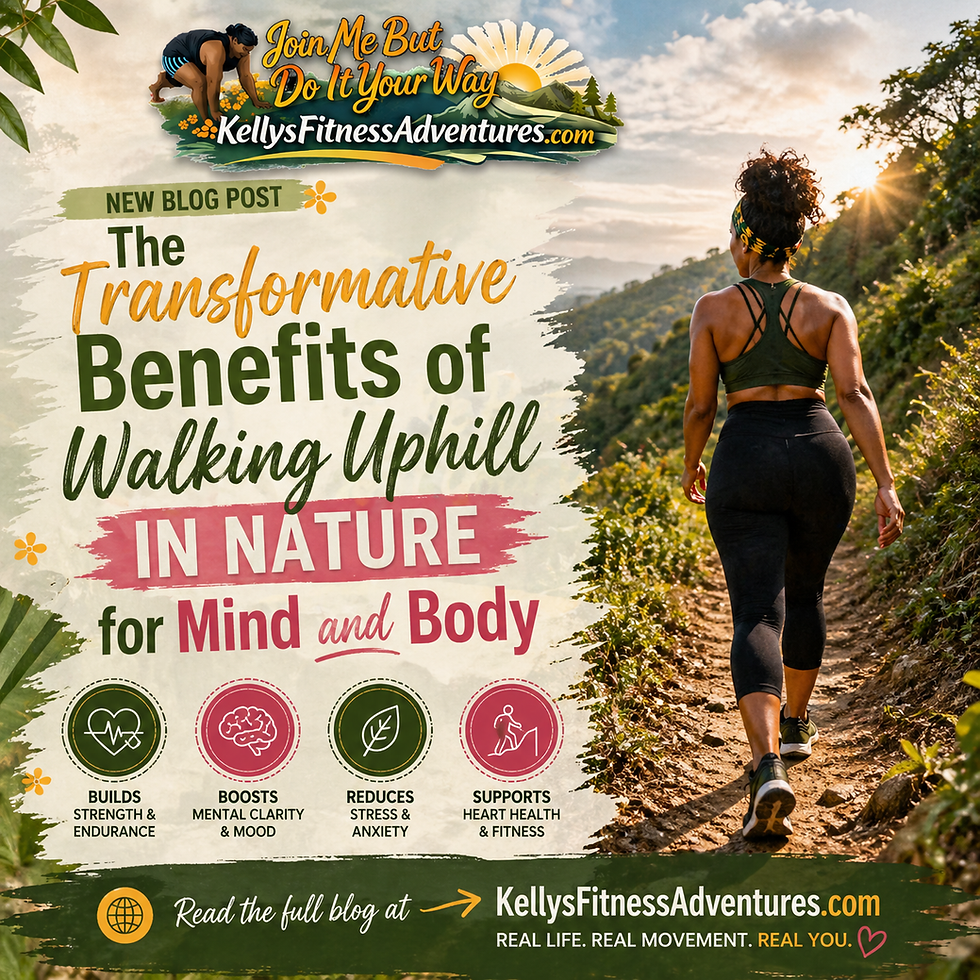
Just your body, the fresh air, and a hill to climb. Walking uphill naturally engages muscles, raises your heart rate gently, and offers a low-impact workout that builds strength and endurance over time.
Beyond the physical benefits, it also supports mental well-being by reducing stress and improving mood. This post explores how walking uphill in nature transforms both mind and body, making fitness accessible and enjoyable for everyone.
How Walking Uphill Builds Physical Strength
Walking uphill activates key muscle groups in your lower body. When you climb, your legs work harder than on flat ground. This includes your:
Quadriceps: The front thigh muscles push you upward.
Hamstrings: The back thigh muscles help control your movement.
Glutes: Your buttocks muscles provide power and stability.
Calves: These muscles lift your heels with each step.
Core muscles: Engaged to maintain balance and posture.
This combination strengthens your legs and improves stability. Over time, you’ll notice better muscle tone and increased endurance. Because walking uphill is low-impact, it’s easier on your joints compared to running or high-intensity workouts. This makes it a great choice for beginners or those recovering from injury.
Cardiovascular Health Benefits
Walking uphill raises your heart rate more than walking on flat surfaces. This gentle increase improves cardiovascular fitness by:
Strengthening your heart muscle
Enhancing lung capacity
Improving blood circulation
Regular uphill walking sessions can lower blood pressure and reduce the risk of heart disease. You don’t need to push yourself to exhaustion. Even a moderate pace sustained for 20 to 30 minutes can provide meaningful heart health benefits.
Mental Clarity and Stress Relief from Nature
Spending time outdoors has a calming effect on the mind. Walking uphill in a natural setting combines physical activity with the soothing qualities of fresh air and greenery. This helps:
Lower cortisol levels, the hormone linked to stress
Improve mood and reduce symptoms of anxiety and depression
Boost mental focus and creativity
The rhythm of your steps and the quiet moments between breaths create a meditative experience. This moving meditation helps you reconnect with yourself and find peace away from daily distractions.
Creating a Sustainable Fitness Routine
One of the biggest challenges with exercise is consistency. Uphill walking offers a simple, enjoyable way to stay active without pressure. You don’t need fancy gear or a gym membership. Your local environment is enough to get started.
Try these tips to build a lasting habit:
Start with short walks on gentle hills near your home
Gradually increase duration and incline as you feel stronger
Focus on your breathing and posture rather than speed
Use nature’s beauty as motivation to keep going
This approach encourages a positive relationship with fitness. It’s about moving your body your way, without comparisons or expectations.
Practical Examples to Get Started
Imagine a neighborhood park with a small hill or a quiet trail nearby. Begin by walking up the hill at a comfortable pace. Take breaks if needed. Notice how your legs feel working harder than usual. After a few sessions, try walking faster or carrying a light backpack for added resistance.
If you live in a hilly area, use stairs or slopes around your home. Even urban environments often have parks or green spaces with gentle inclines. The key is to make walking uphill part of your regular routine.
Safety and Comfort Tips
To enjoy uphill walking safely:
Wear comfortable shoes with good support
Dress for the weather and bring water
Warm up with light stretching before starting
Pay attention to your body and rest if you feel pain
Choose well-lit, safe paths, especially if walking alone
Listening to your body helps prevent injury and keeps the experience positive.
Comments